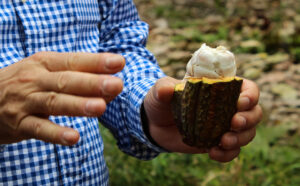
The chocolate industry is facing an exciting yet challenging future, and wholesale chocolate buyers must prepare for changes that bring both opportunities and risks. In this article, we explore the key developments and trends that will shape the future of the chocolate industry.
Climate Change and Cocoa Farming
Undoubtedly, climate change poses one of the greatest threats to the chocolate industry. Rising temperatures, irregular rainfall, and extreme weather events significantly impact cocoa cultivation. According to an article by fairafric.com, West Africa and South America, the primary cocoa-producing regions, are particularly affected.
The increasing temperatures elevate the risk of diseases and pests that jeopardize cocoa harvests. The chocolate industry is responding to the challenges of climate change through:
1. Sustainable Farming Methods: One example of sustainable farming is the promotion of shade-grown cocoa. Instead of cultivating cocoa in monocultures, trees and plants that provide shade are used. This helps regulate temperatures and mitigate the impacts of extreme weather events.
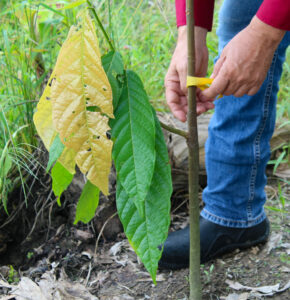
2. Resilient Cocoa Varieties: Researchers and breeders are working on developing cocoa varieties that are more resistant to diseases and pests exacerbated by climate change. This can contribute to improving crop yields and cocoa quality.
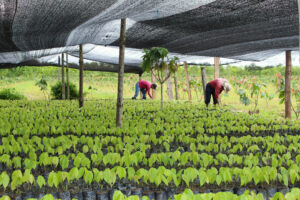
3. Environmental Certifications: Many chocolate manufacturers embrace environmental certifications like Fair Trade, and Rainforest Alliance to ensure sustainable cocoa sourcing. These certifications promote ecosystem protection and social responsibility in cocoa-producing regions.
4. Investments in Local Communities: Some companies invest in programs to strengthen cocoa-producing communities. This may include farmer training and improved working conditions to enhance the livelihoods of people in these regions.
5. Research and Technology: The chocolate industry funds research and development of technologies to make cocoa cultivation more sustainable. This includes innovative irrigation systems and the use of data analysis to predict disease outbreaks.
These measures are part of a broader effort to make the chocolate industry more ecologically sustainable while ensuring the quality and availability of cocoa. They contribute to mitigating the impact of climate change on cocoa cultivation and securing the future of the chocolate industry.
Innovation and Sustainability
Innovation plays a crucial role in the future of the chocolate industry. Researchers and companies are working to make cocoa farming more efficient and sustainable. An article from Abendblatt highlights groundbreaking developments such as biotechnologically produced chocolate and lab-grown crops that could reduce the reliance on conventional cocoa.
These technologies offer not only ecological benefits but also the potential to enhance the quality and availability of chocolate. Consumers are increasingly inclined toward sustainable products, and companies offering innovative and eco-friendly solutions will have a competitive advantage.
Rising Chocolate Demand
Despite the challenges posed by climate change and the need for innovation, the demand for chocolate is expected to continue rising. A report by benjerry.at emphasizes that the passion for chocolate remains strong worldwide, especially in emerging markets like India and China.
This presents both opportunities and responsibilities for chocolate wholesalers. To capitalize on this sustained growth and meet evolving consumer demands, it is crucial to focus on sustainable, high-quality products. Collaboration with companies that take environmental and social responsibility seriously while delivering top-notch products can enhance customer satisfaction and contribute to long-term sustainability in the thriving chocolate industry.
Summary
The chocolate industry faces challenges as well as a promising future. Climate change and the need for innovation are shaping the industry. Measures such as sustainable farming methods, resilient cocoa varieties and environmental certifications are being implemented to mitigate the effects of climate change. In this context, our company Bohnkaf actively contributes by proudly boasting our certifications: EU Organic, Bio Suisse, Fairtrade, Rainforest Alliance.
Innovations, including biotechnological chocolate production, promise more sustainable and higher quality cocoa production. Global demand for chocolate is expected to increase, so working with socially and environmentally responsible companies is essential to meet changing consumer expectations and ensure the long-term stability of the industry.